


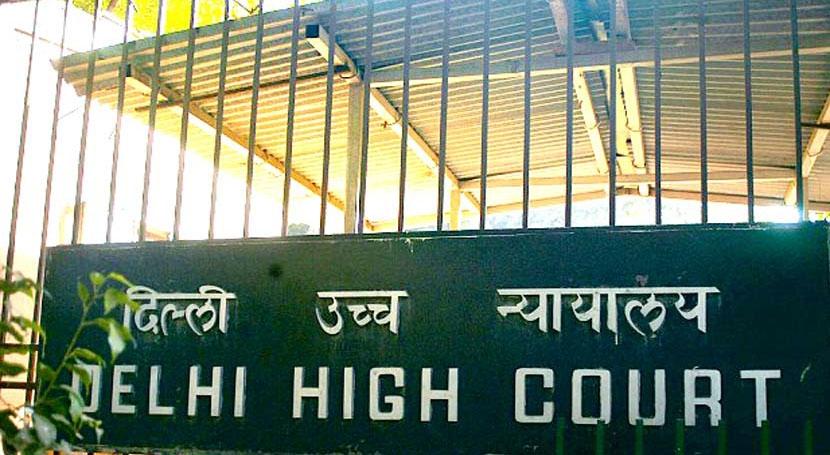
Delhi HC rules against trademark monopoly for common English words
New Delhi, Dec 15 (IANS) The Delhi High Court has ruled that words of common English usage cannot be registered as trademarks, and no individual can claim a monopoly over such words.
Justice C. Hari Shankar said that allowing registration for marks consisting of common English words would risk appropriating the entire language, which is unacceptable.
“Commonly used words, or a non-distinctive combination of commonly used words, cannot be monopolised by any one person, so as to disentitle the rest of the world to the use thereof.
“There is, therefore, in Section 9(1)(a) (of The Trade Marks Act, 1999), an absolute proscription to registration of marks which are inherently lacking in distinctiveness, in that they are incapable of distinguishing the goods or services of one person from those of another. Words of common English usage fall within this category,” the court said.
It stated that Section 9(1)(a) prohibits the registration of marks inherently lacking distinctiveness, including words of common English usage.
The judgement came in response to a trademark infringement suit filed by the Institute of Directors against an entity applying for the mark “Directors’ Institute” for similar services.
Refusing to grant an interim injunction to the plaintiff, the court noted the absence of proprietary rights over the words “Institute of Directors” and stated that exclusivity requires proprietary rights.
“Proprietary rights are a sine qua non for a claim to exclusivity to be sustained. Absent proprietary rights over a mark, there can be no exclusivity,” it held.