Social media fatigue can make you believe, share misinformation: Study
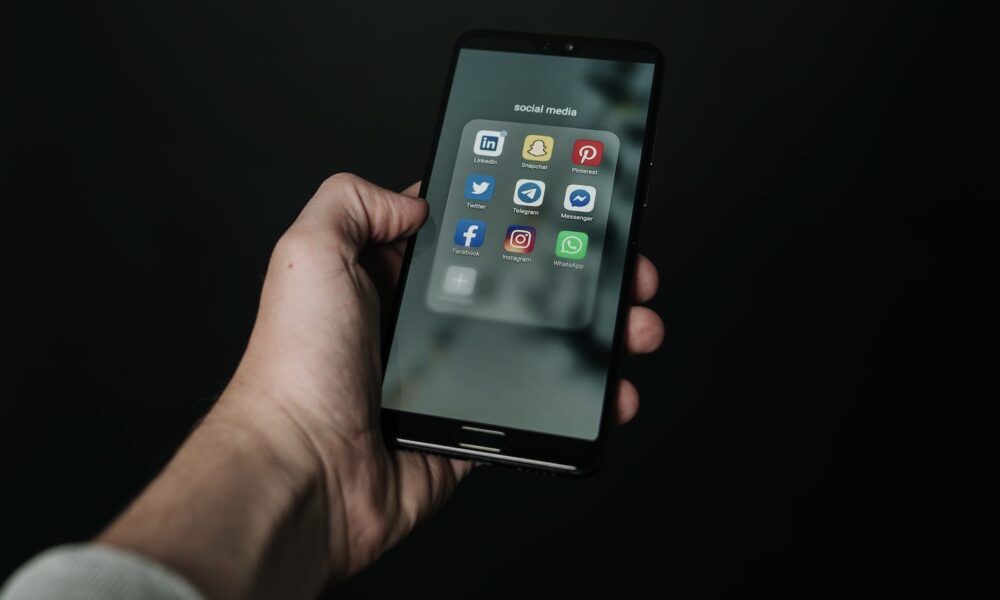
Singapore, Oct 2 (IANS) People who say they are tired or overwhelmed by social media are more likely to believe in misinformation and share them online, finds a study.
Using Covid-19 fake news as an example of misinformation, the study also found that narcissistic individuals experiencing social media fatigue are more likely to share misinformation.
The study, published in the journal Scientific Reports, is based on over 8,000 survey responses from participants in Singapore, the United States, Malaysia, China, Thailand, Vietnam, Indonesia, and the Philippines.
With millions of users relying on social media as a source of news and entertainment and as a mode of communication, addressing social media fatigue and its consequences is imperative, said the researchers from Nanyang Technological University, Singapore (NTU Singapore) .
“Social media fatigue creates an information overload that hampers the cognitive judgement of social media users. In such circumstances, individuals become overwhelmed and struggle to critically evaluate the misinformation they encounter, whether it pertains to Covid-19 or other topics,” said lead author Saifuddin Ahmed, Assistant Professor at NTU’s Wee Kim Wee School of Communication and Information.
“Another explanation for this effect of social media fatigue is how social media algorithms function — prioritising controversial, sensational, and emotionally charged content. Being exposed repeatedly to such content may cause individuals to perceive it as accurate.
“Through our study, we have shown that individuals can unintentionally contribute to disseminating misinformation due to their cognitive ability and ‘dark’ personality traits such as narcissism. Such insights could be leveraged to shape preventive measures, emphasising the importance of social media literacy and initiatives to mitigate social media fatigue,” Ahmed added.
Further, the team found that across all eight countries, individuals scoring high on narcissism and low on cognitive ability were the most likely to share misinformation due to social media fatigue.
“With high levels of fatigue, these individuals could be sharing misinformation as they may be trying to seek attention and gain social influence without applying critical thinking. This tendency to share misinformation is particularly relevant for misinformation that is often characterised by sensational and controversial content, eliciting strong emotional reactions from the audience,” Ahmed explained.
These findings suggest that policy makers and social media companies who aim to combat misinformation should adopt a multi-pronged approach that involves regulations to restrict the spread of misinformation and raise digital literacy, but also interventions aimed at reducing social media fatigue.