


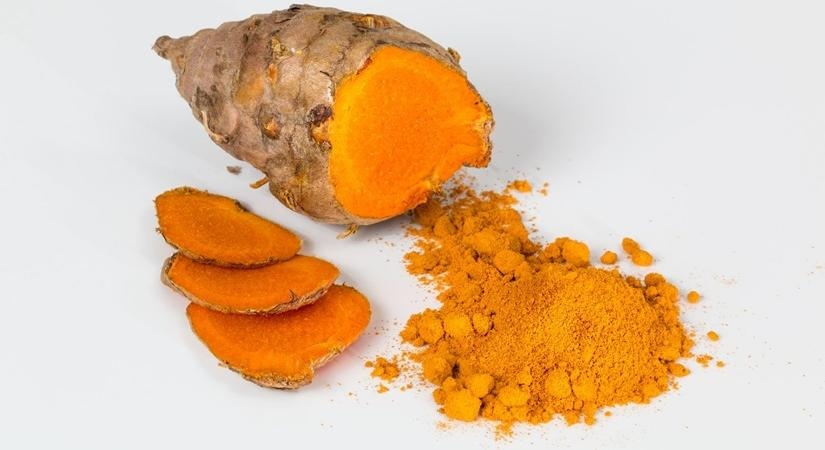
Turmeric may help treat indigestion as good as antacid: Study
Bangkok, Sep 12 (IANS) A natural compound found in the culinary spice turmeric may be as effective as omeprazole — a drug used to curb excess stomach acid — for treating indigestion symptoms, claims a study published online in the journal BMJ Evidence-Based Medicine.
Turmeric, derived from the root of the Curcuma longa plant, contains a naturally active compound called curcumin thought to have anti-inflammatory and antimicrobial properties.
It has long been used as a medicinal remedy, including for the treatment of indigestion, in Southeast Asia.
The study findings showed that turmeric capsules improved digestion as good as omeprazole.
While no serious side effects were reported, liver function tests indicated some level of deterioration among curcumin users carrying excess weight, noted the researchers from the Chulalongkorn University in Thailand.
The team randomly assigned 206 patients aged 18-70 with recurrent upset stomach (functional dyspepsia) of unknown cause, between 2019 and 2021, to one of three treatment groups for a period of 28 days.
These were: turmeric (two large 250 mg capsules of curcumin 4 times a day) and one small dummy capsule (69 patients); omeprazole (one small 20 mg capsule daily and two large dummy capsules 4 times a day (68 patients); and turmeric plus omeprazole (69 patients).Omeprazole is a proton pump inhibitor (PPI).
PPIs are used to treat functional dyspepsia, the symptoms of which include feeling excessively full after food (postprandial fullness), feeling full up after only a little food (early satiety), and pain and/or burning sensation in the stomach and/or food pipe (epigastric pain).
But long term use of PPIs has been linked to increased fracture risk, micronutrient deficiencies, and a heightened risk of infections, note the researchers.
The findings indicated significant reductions in symptom severity by day 28 for pain and other symptoms for those in the combined, curcumin alone, and omeprazole alone groups, respectively.
These improvements were even stronger after 56 days for pain and other symptoms.They acknowledge the small size of the study, as well as several other limitations, including the short intervention period and lack of long-term monitoring data.
Further larger, long term studies are needed, the researchers said.
Nevertheless, “this multicentre randomised controlled trial provides highly reliable evidence for the treatment of functional dyspepsia,” they said, adding “the new findings from our study may justify considering curcumin in clinical practice”.