


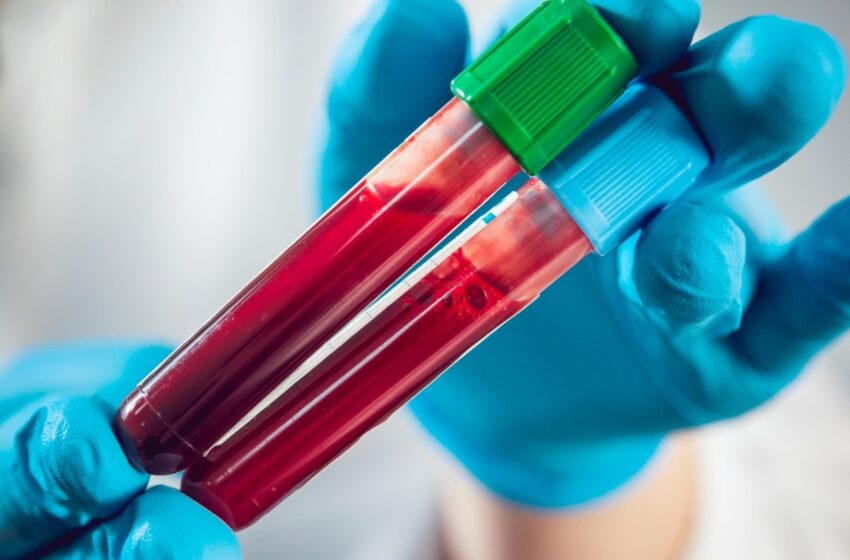
New blood test to predict preeclampsia earlier in pregnant woman
New York, July 5 (IANS) The US Food and Drug Administration (FDA) has approved a blood test that can help predict preeclampsia, a serious hypertensive disorder that affects roughly 2 per cent to 8 per cent of pregnant women worldwide.
Typically, to check preeclampsia risk, doctors measure blood pressure and proteins in urine, but as pregnancy progresses these tests are poor predictors and raise the risk of disability and death among childbearing women.
The new test works by detecting sFlt1 and PIGF — two proteins in the blood that predict poor outcomes from preeclampsia with substantially better accuracy than the current methods.
The test can be used between 23 and 35 weeks of pregnancy to predict development of severe preeclampsia among women who have symptoms of, or have been diagnosed with, hypertension during pregnancy.
“Doctors can use this in conjunction with other clinically available tests to stratify their patients to determine whether they’re at high risk for severe preeclampsia and complications, or at low risk, to be managed appropriately,” said Sarosh Rana, the chief of maternal-foetal medicine at the University of Chicago Medicine and a professor of obstetrics and gynaecology.
While preeclampsia is characterised primarily by high blood pressure, other signs include elevated amounts of protein in the urine and organ damage.
Although some women experience no symptoms, it is a common cause for maternal and foetal complications as well as preterm delivery.
There is no specific diagnostic test for preeclampsia, and the only way to cure it is by delivering the baby and the placenta (the latter is believed to cause the disease).
If the baby is too young to survive outside of the womb, doctors attempt to manage the mother’s illness expectantly with antihypertensive medications, magnesium and steroids.
The effects of preeclampsia can also be lifelong.
“Women who have preeclampsia are at higher risk for short-term and long-term hypertensive disorders and cardiovascular disease for the remainder of their lives,” said Rana.
For women who test negative and are deemed to be at low risk, the test could mean shorter hospital stays and fewer, if any, steroid treatments, she noted.
Patients deemed high-risk by the test could be transferred to a higher level of care centre best prepared to handle maternal complications and preterm delivery.
The test could likewise also reduce the rate of preterm delivery among patients who doctors suspect, but cannot confirm, have preeclampsia.